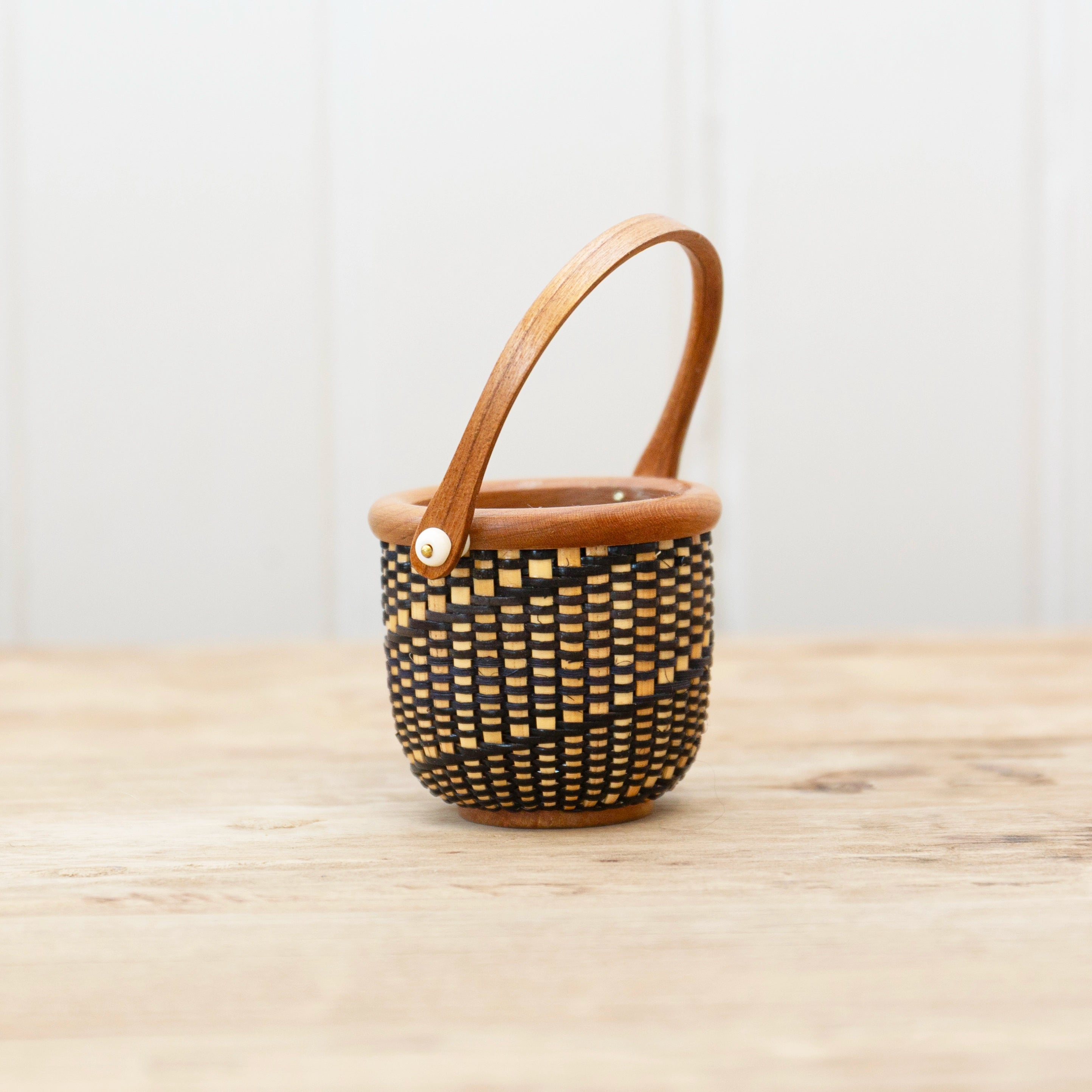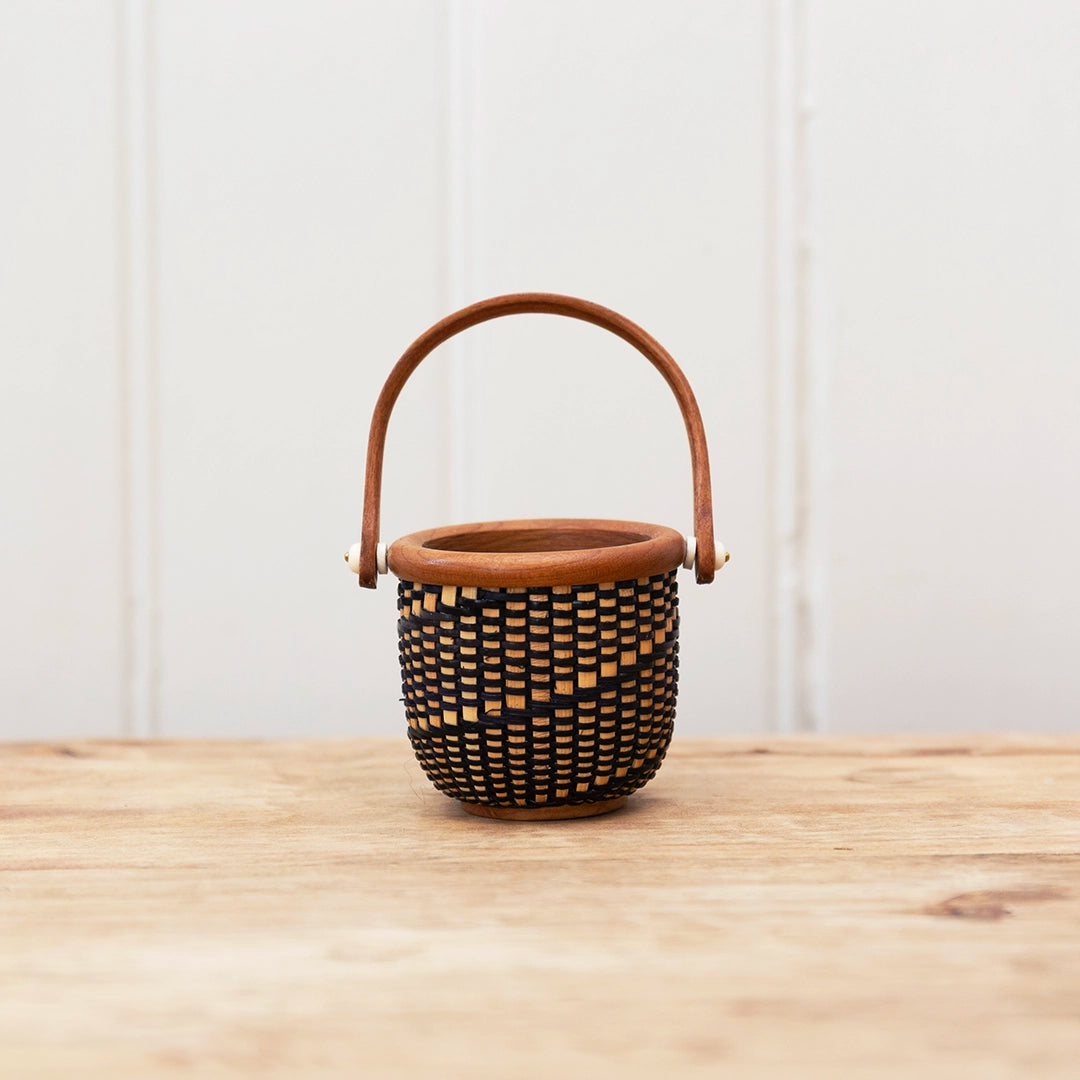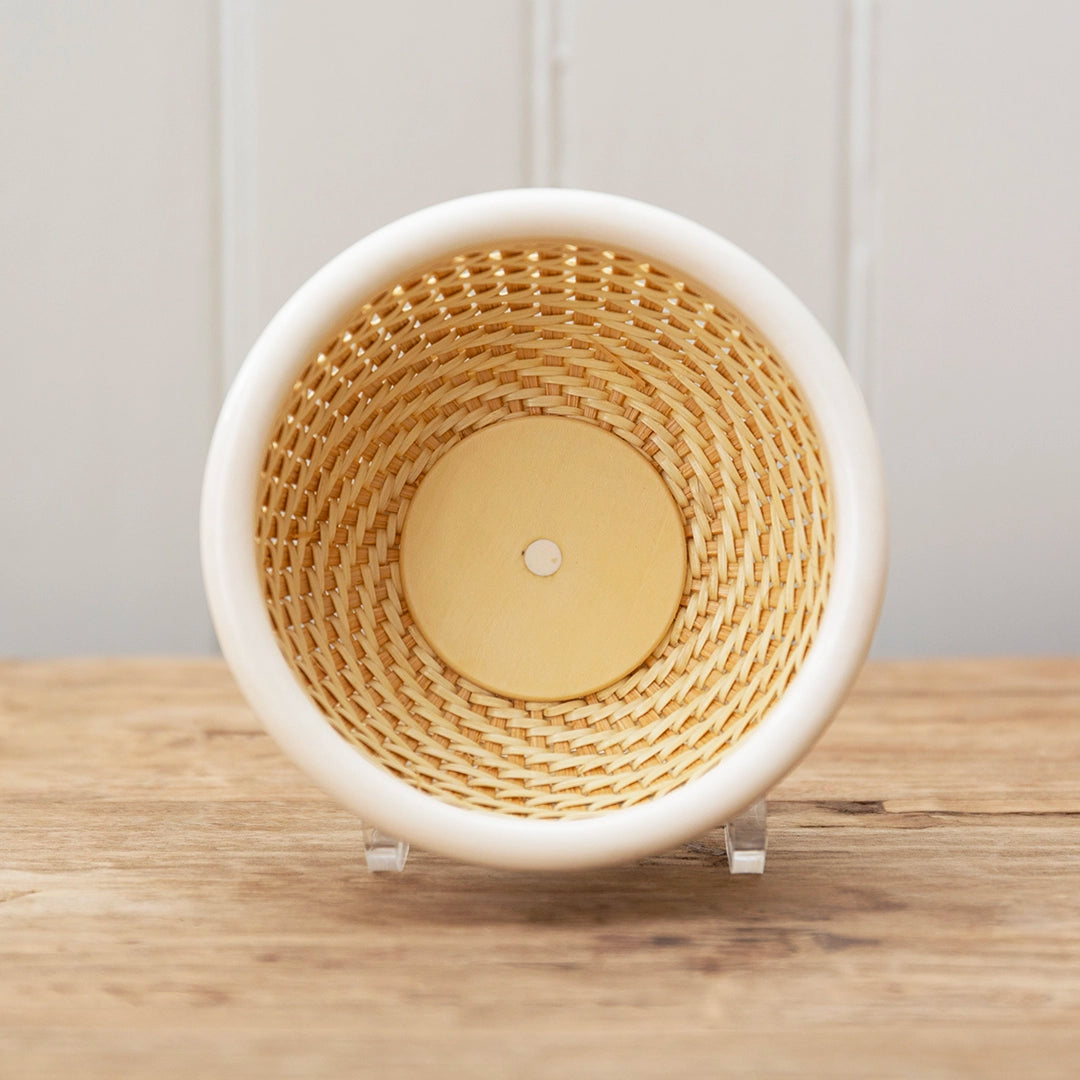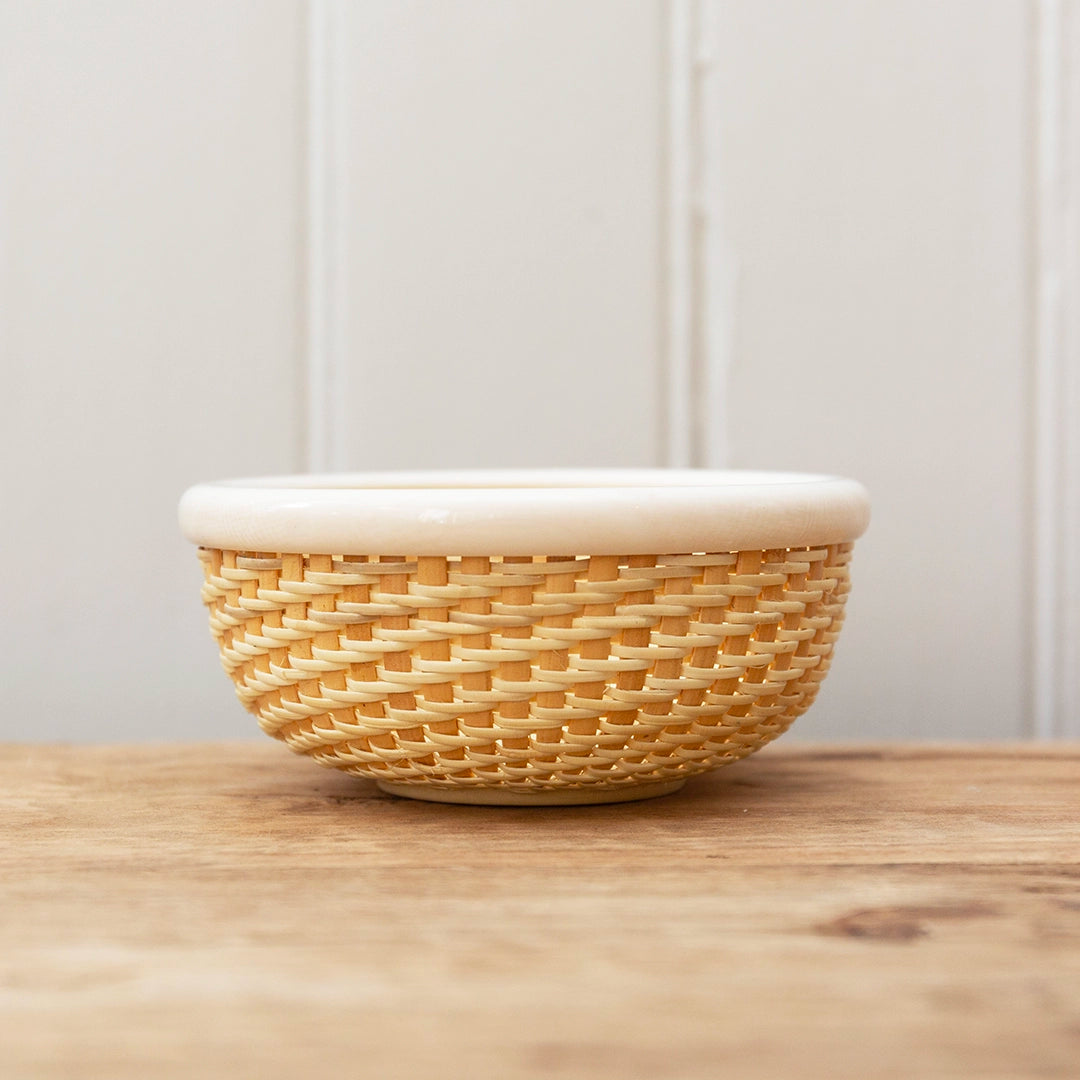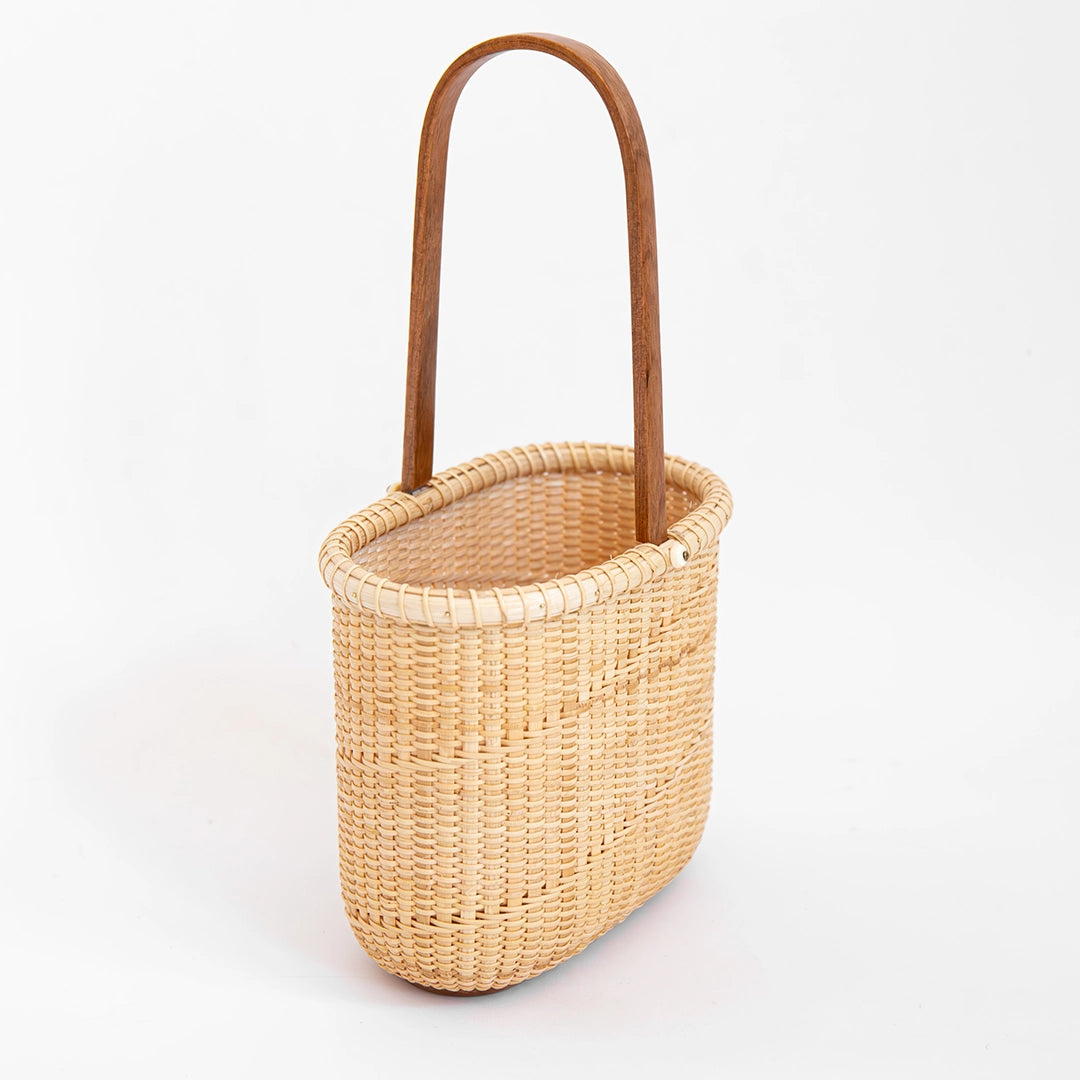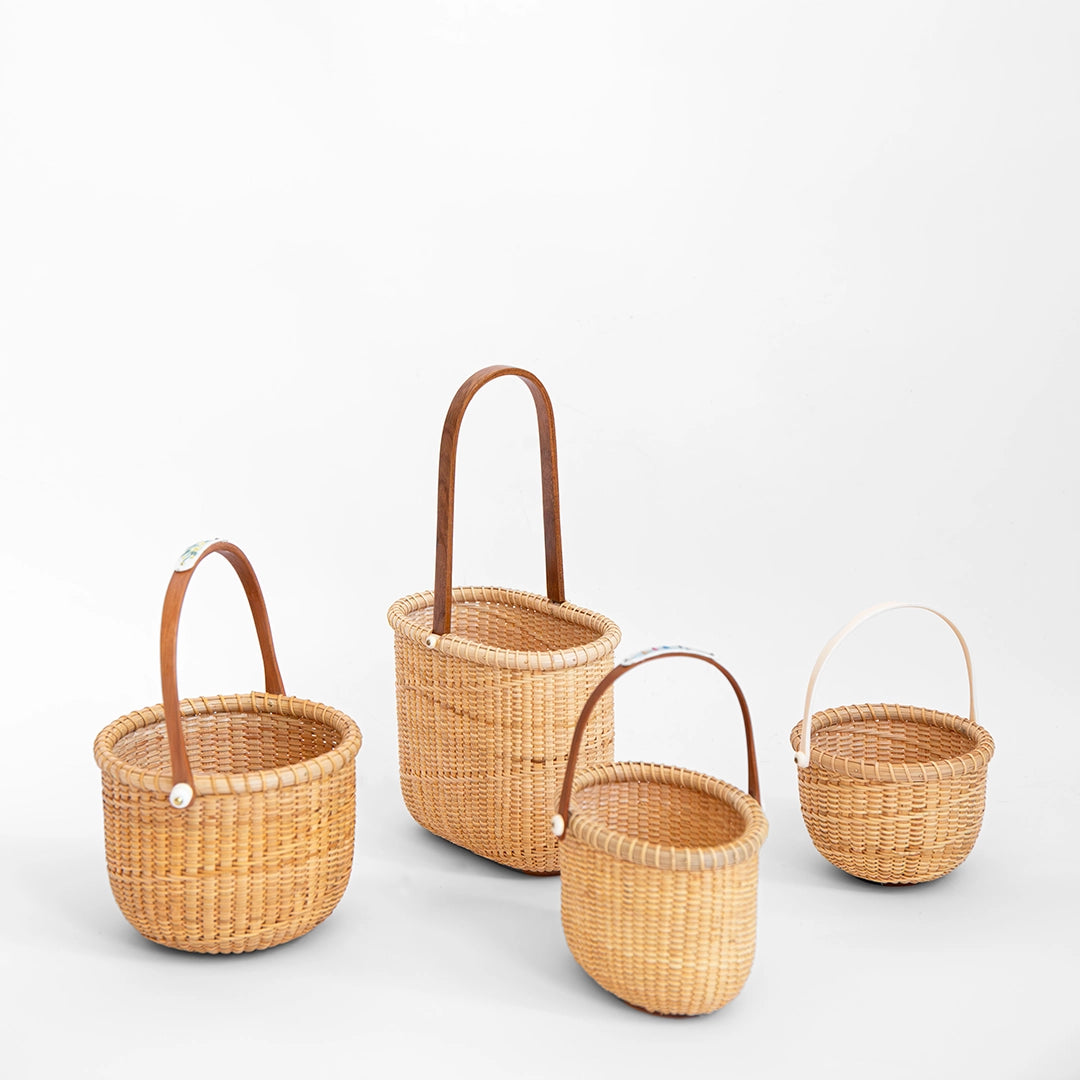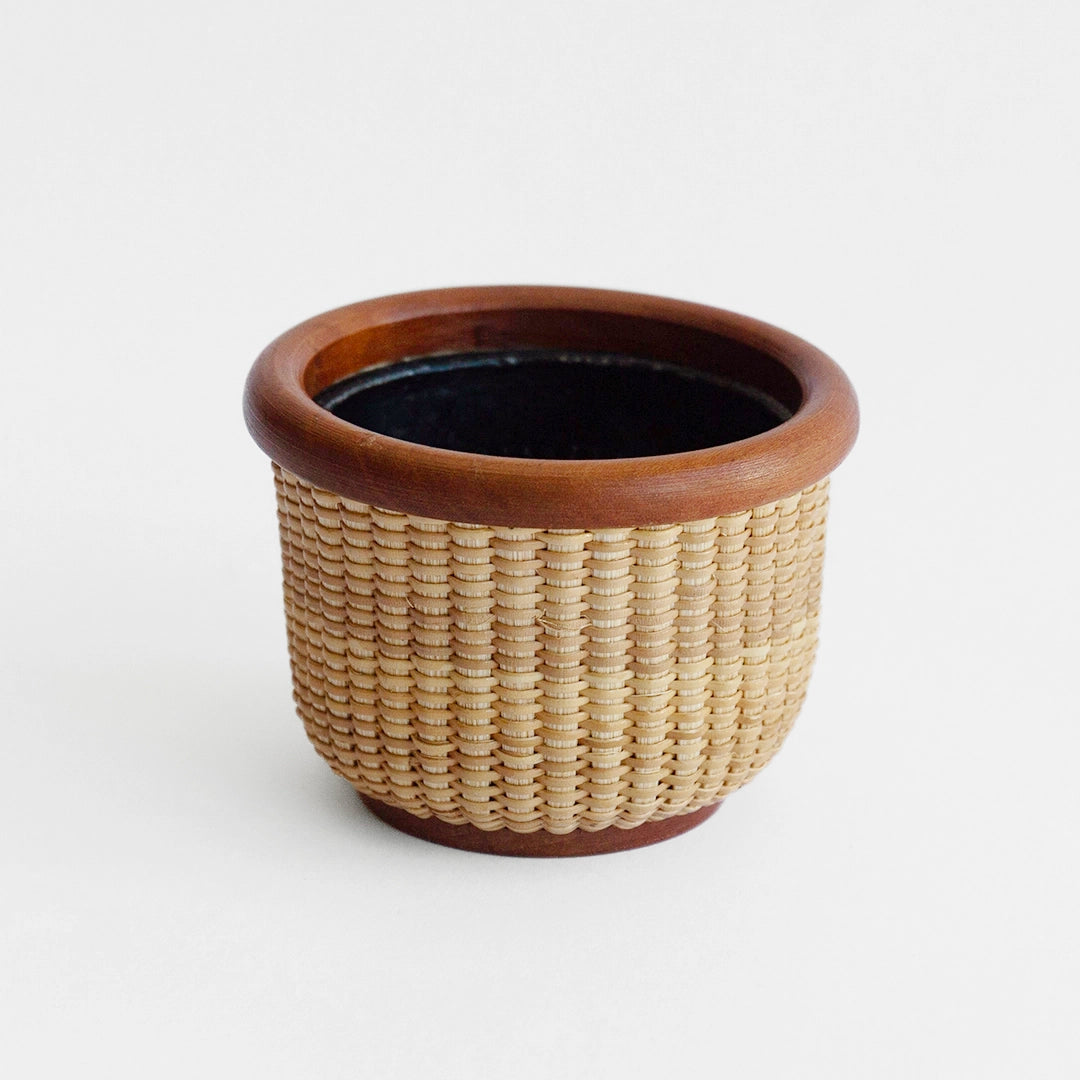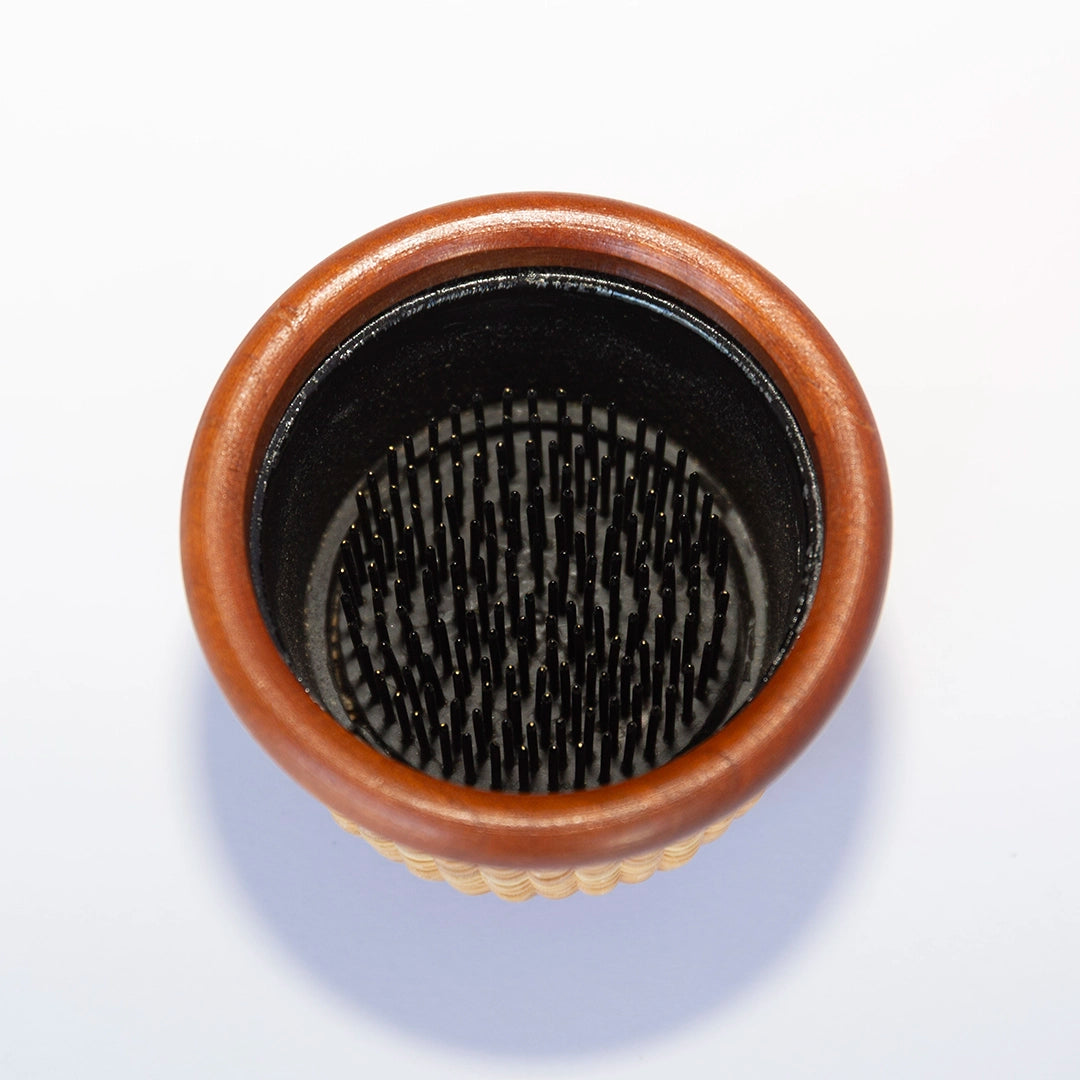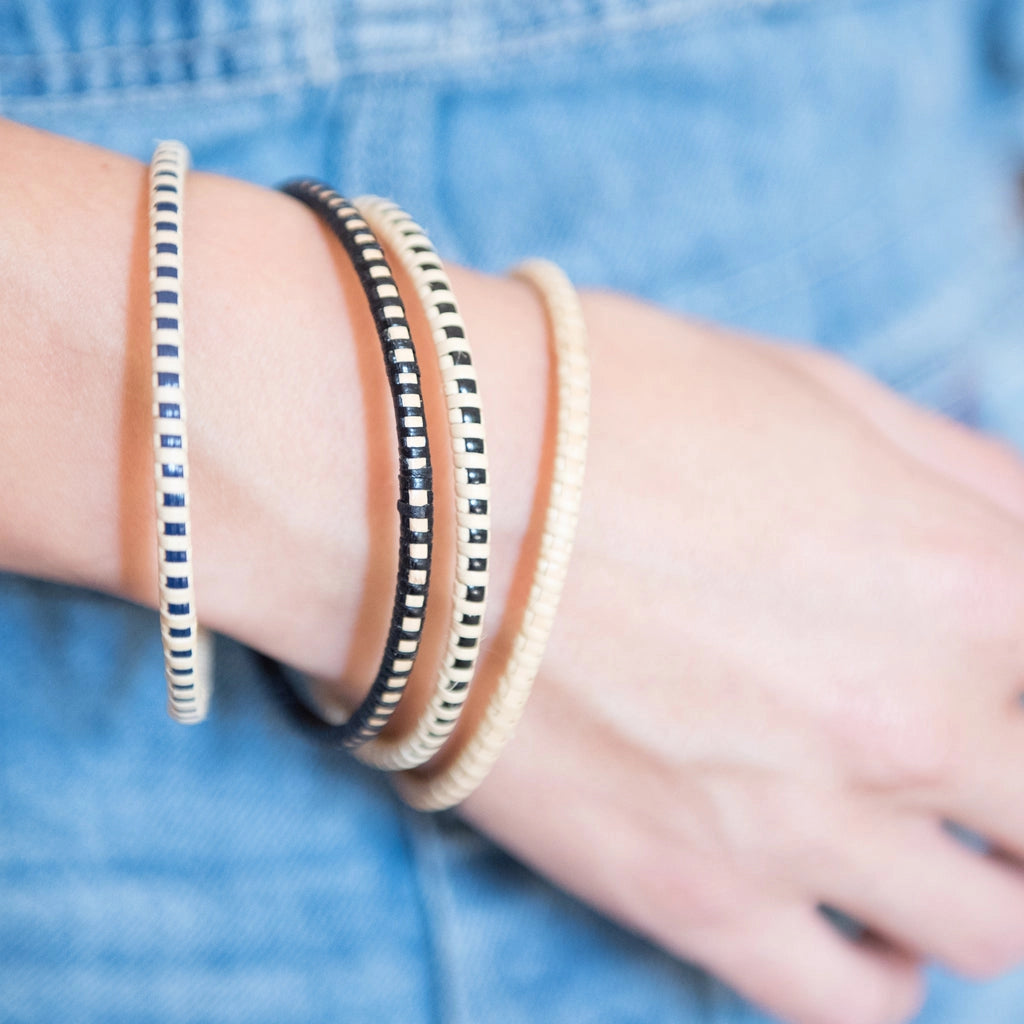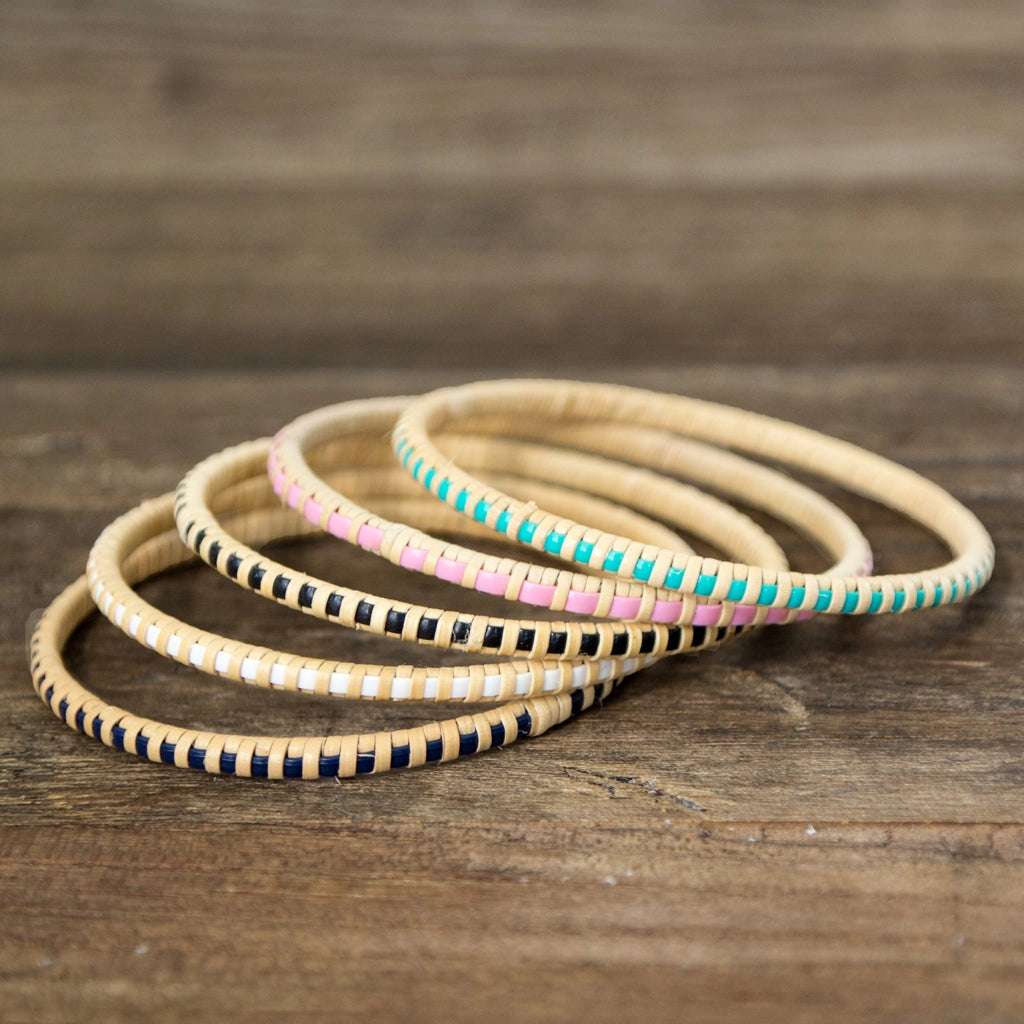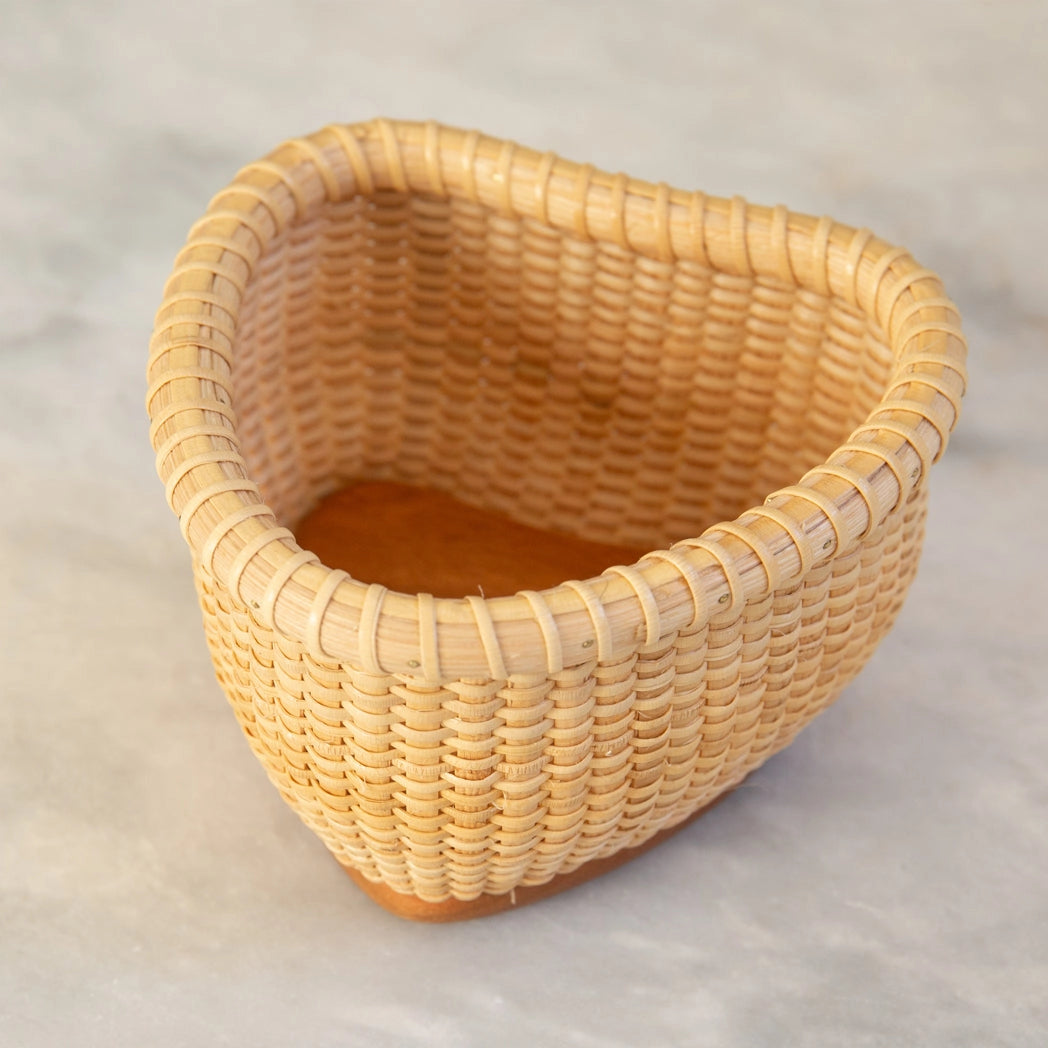

From the high bluff at 'Sconset, the ever-changing ocean spools out in front of you without limit. There is nothing between here and Portugal is a familiar saying on the Eastern end of the island. And that is mostly true, as the wide expanse of ocean, a myriad shades of blue, rolls on some 3,000 miles to the further shore. But, if you were to stand on this bluff edge 170 years ago, there was something between Nantucket and Portugal. Thirty-five miles south of 'Sconset, the South Shoal Lightship rode at anchor, a floating beacon that warned passing vessels of the dangerous, shifting sandbars that ribbon across the ocean floor.

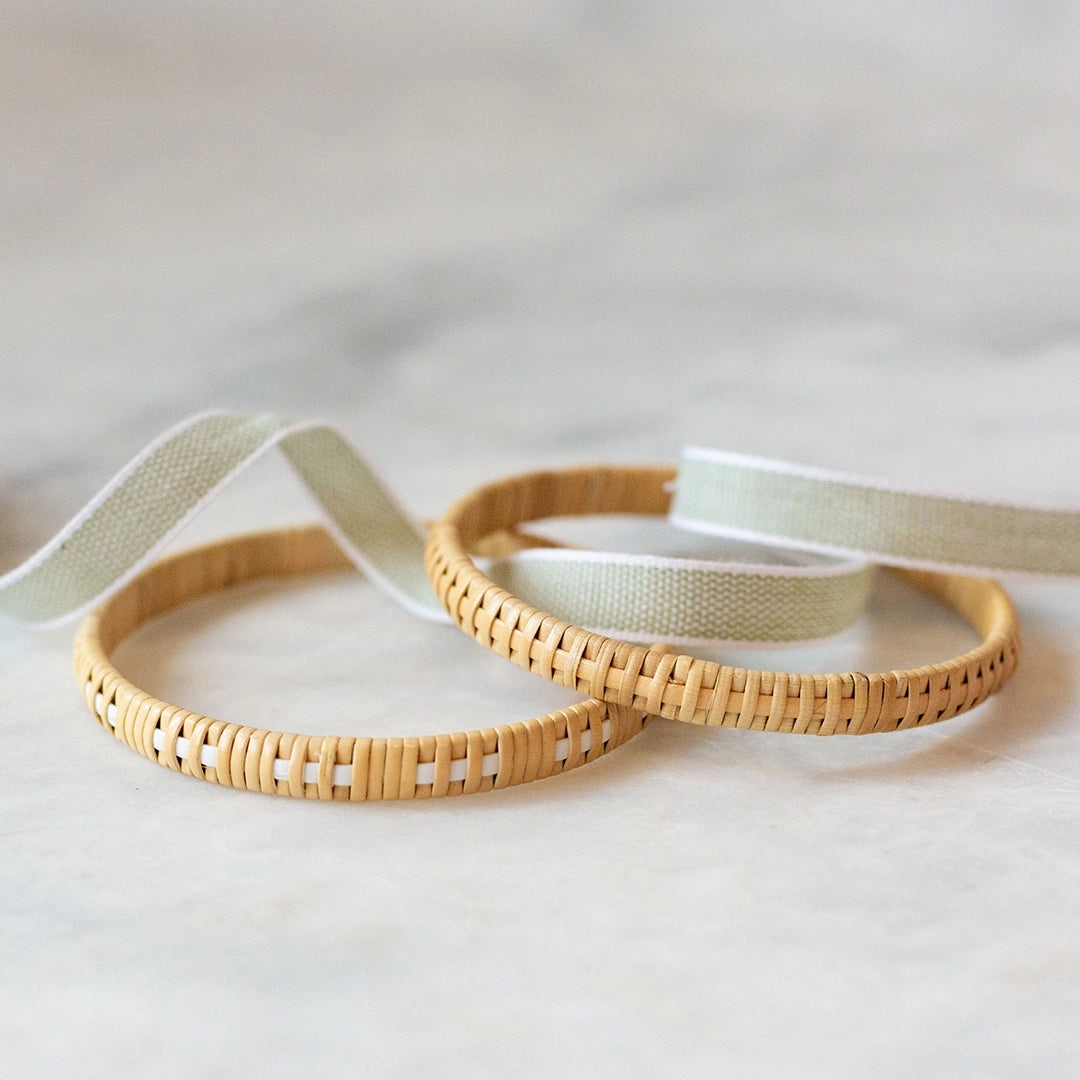
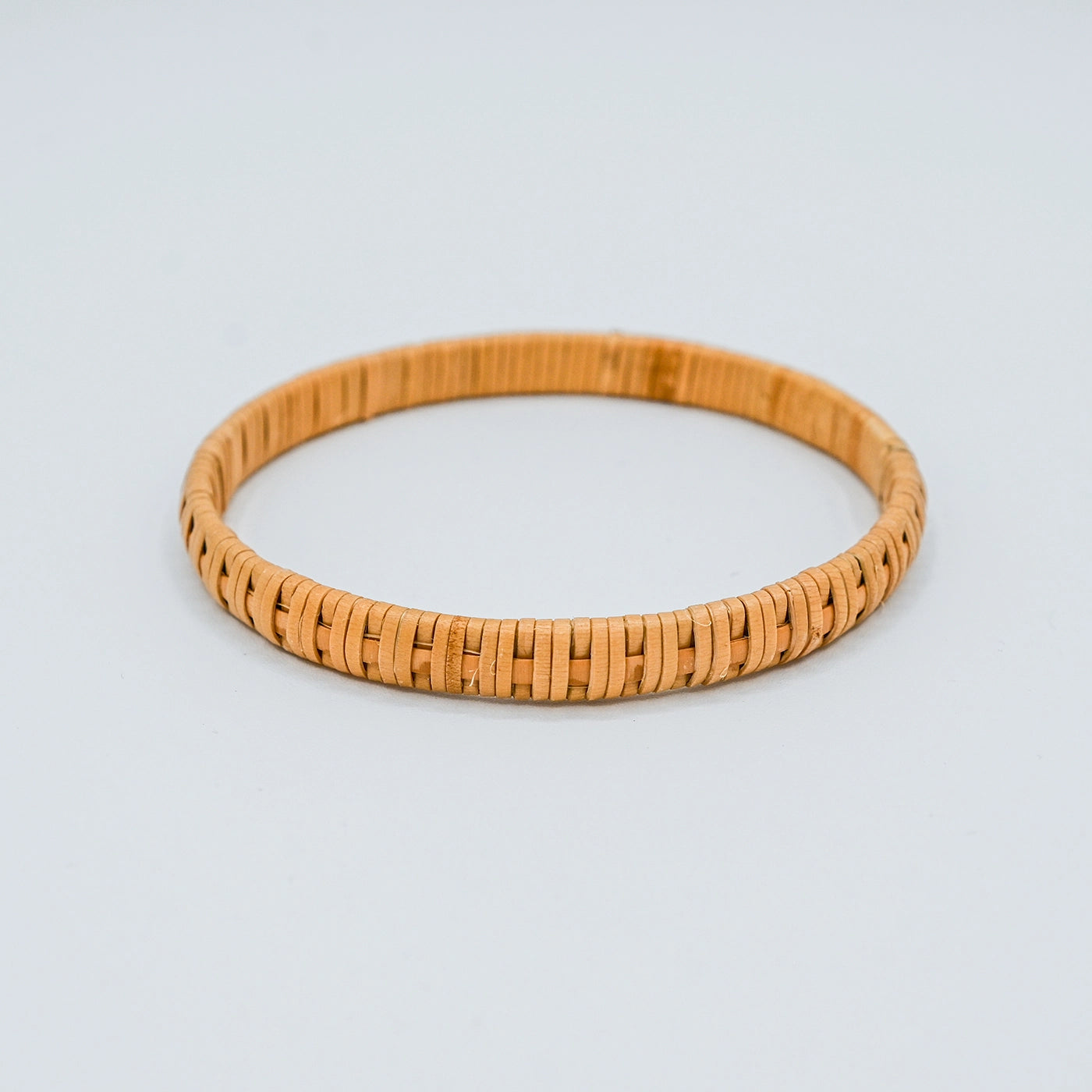
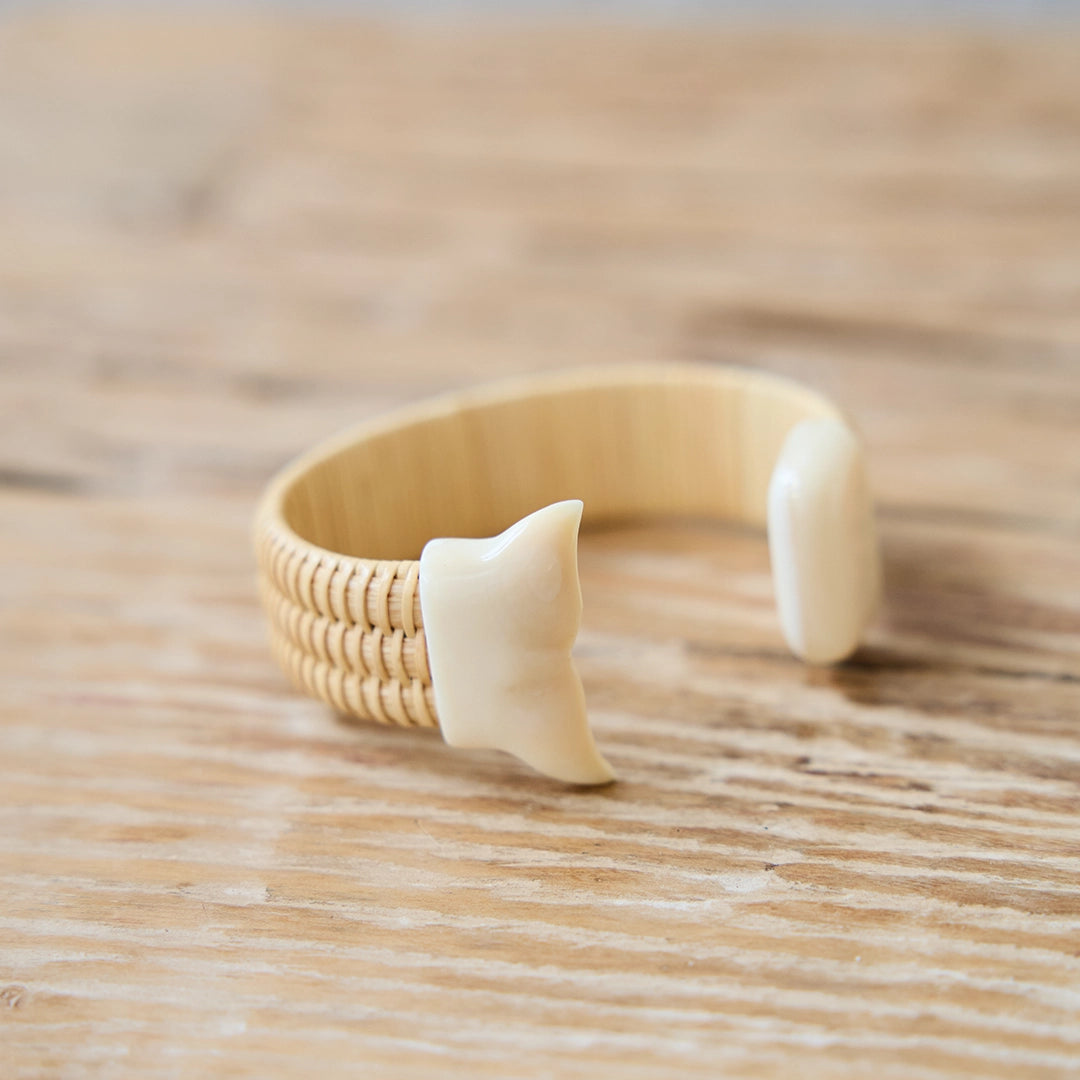
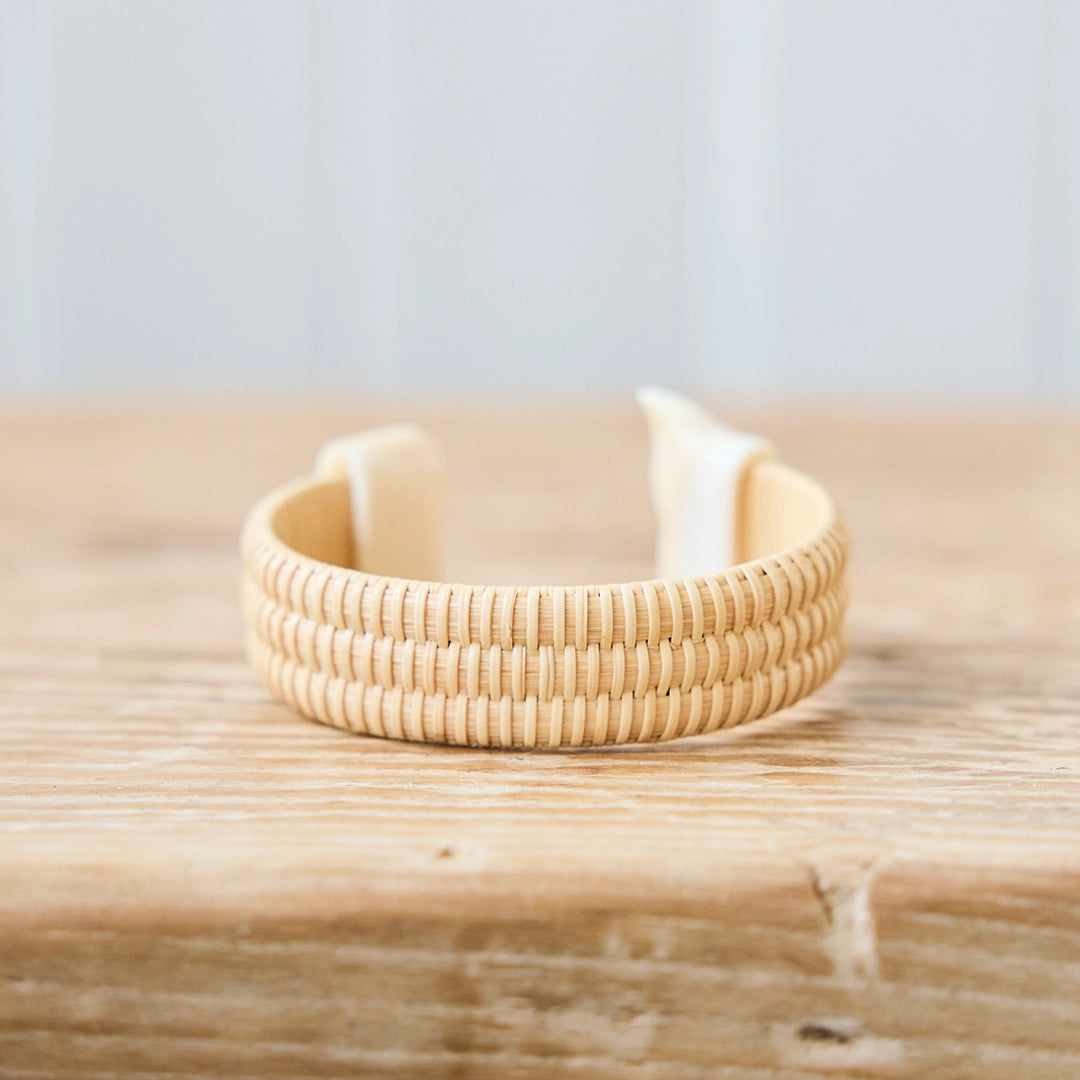
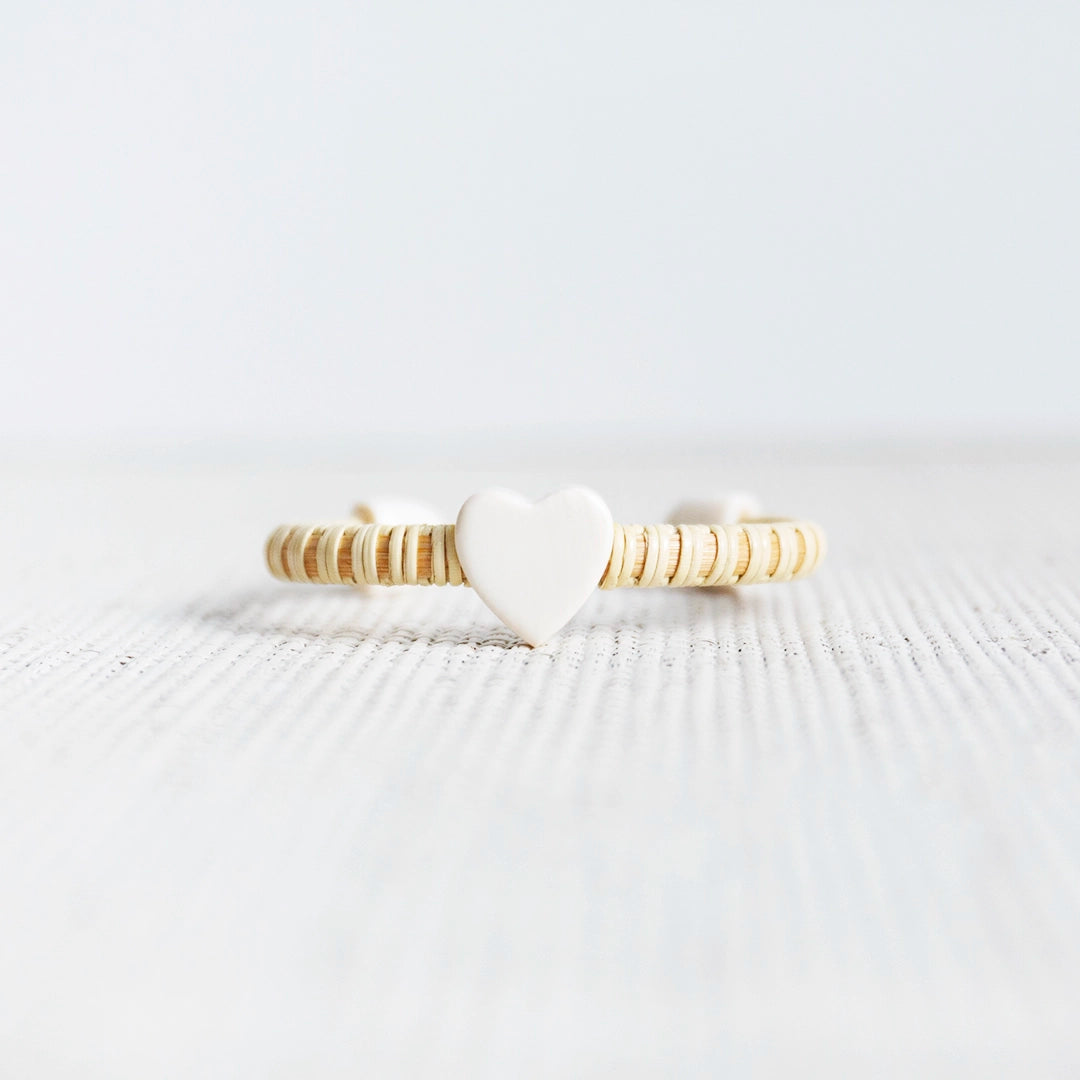
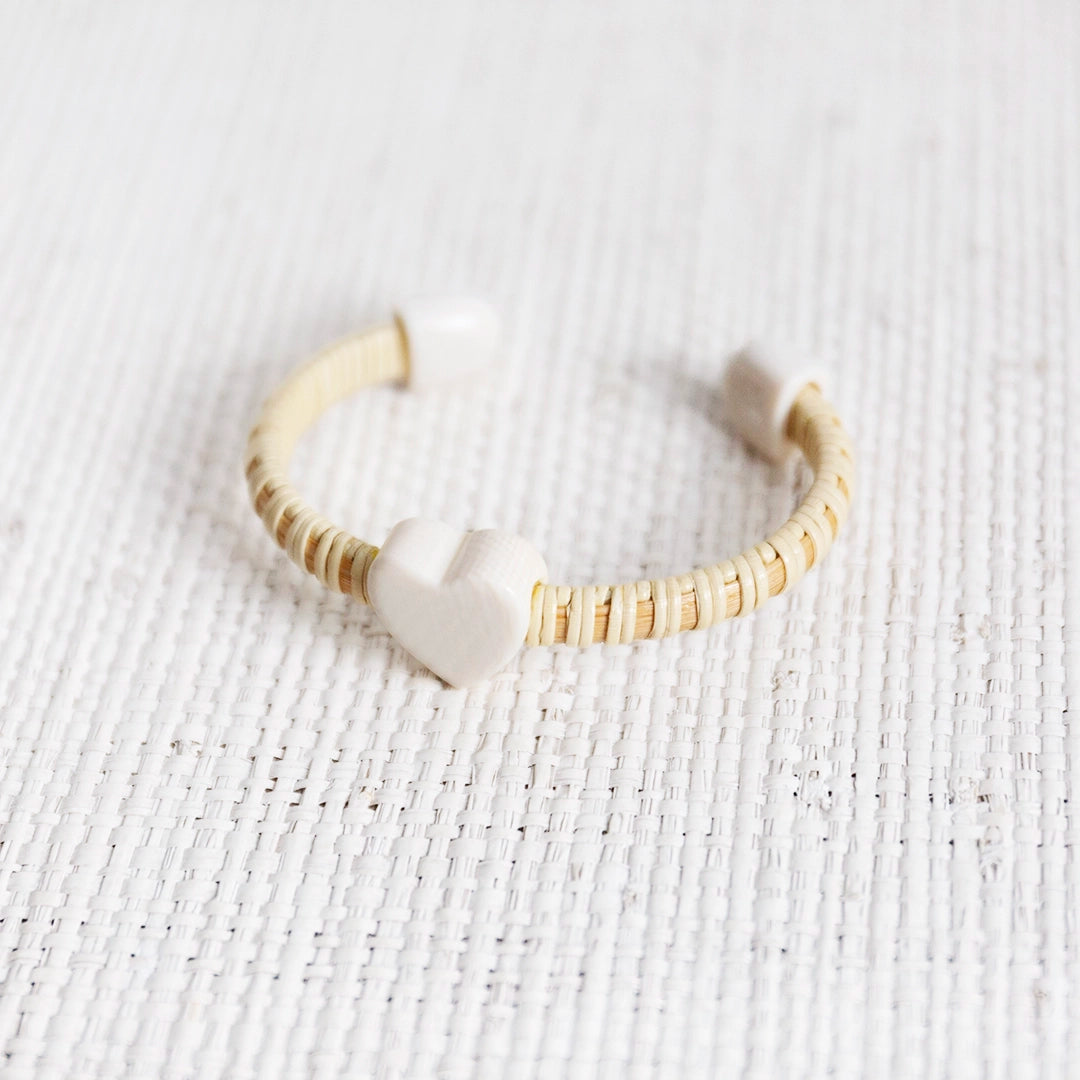
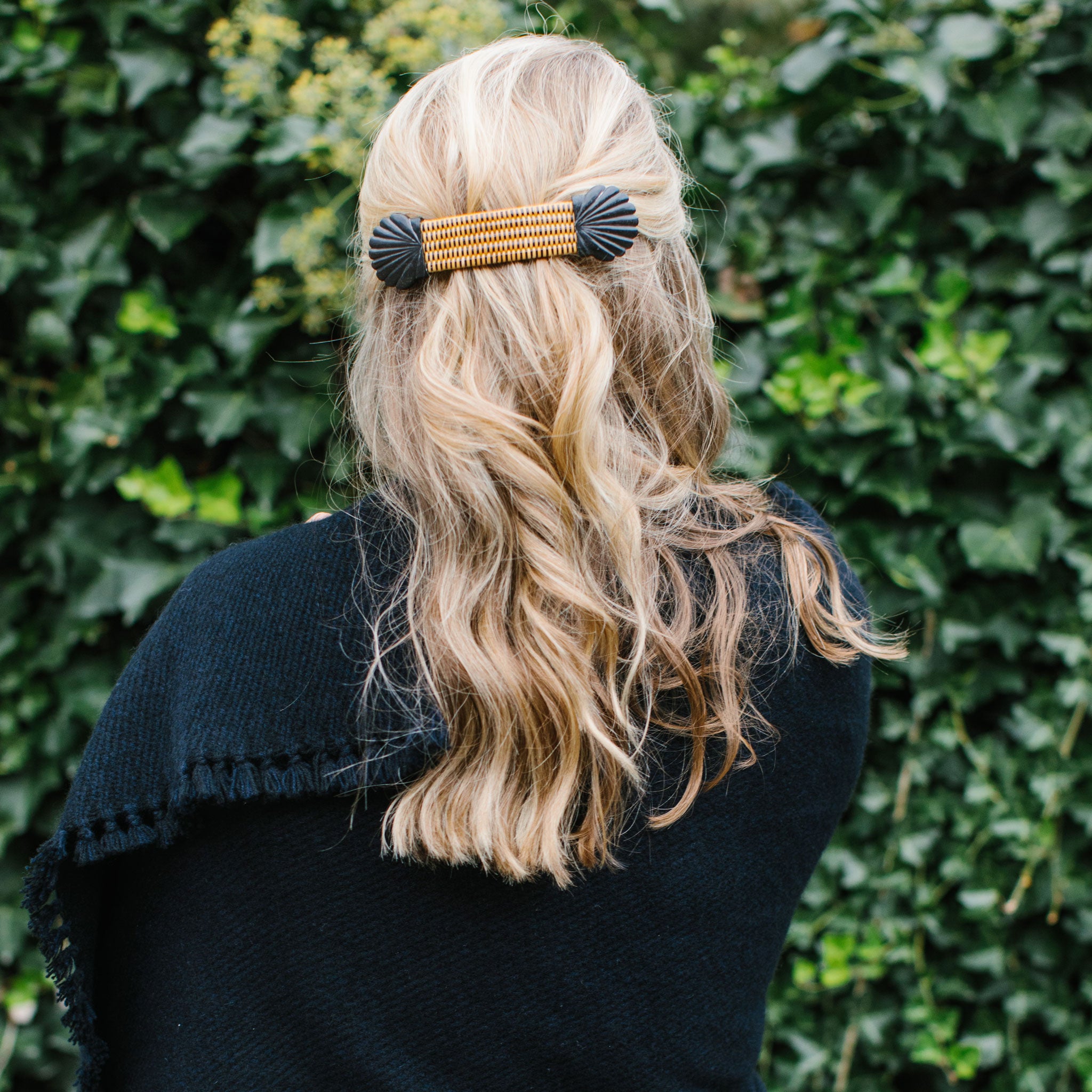
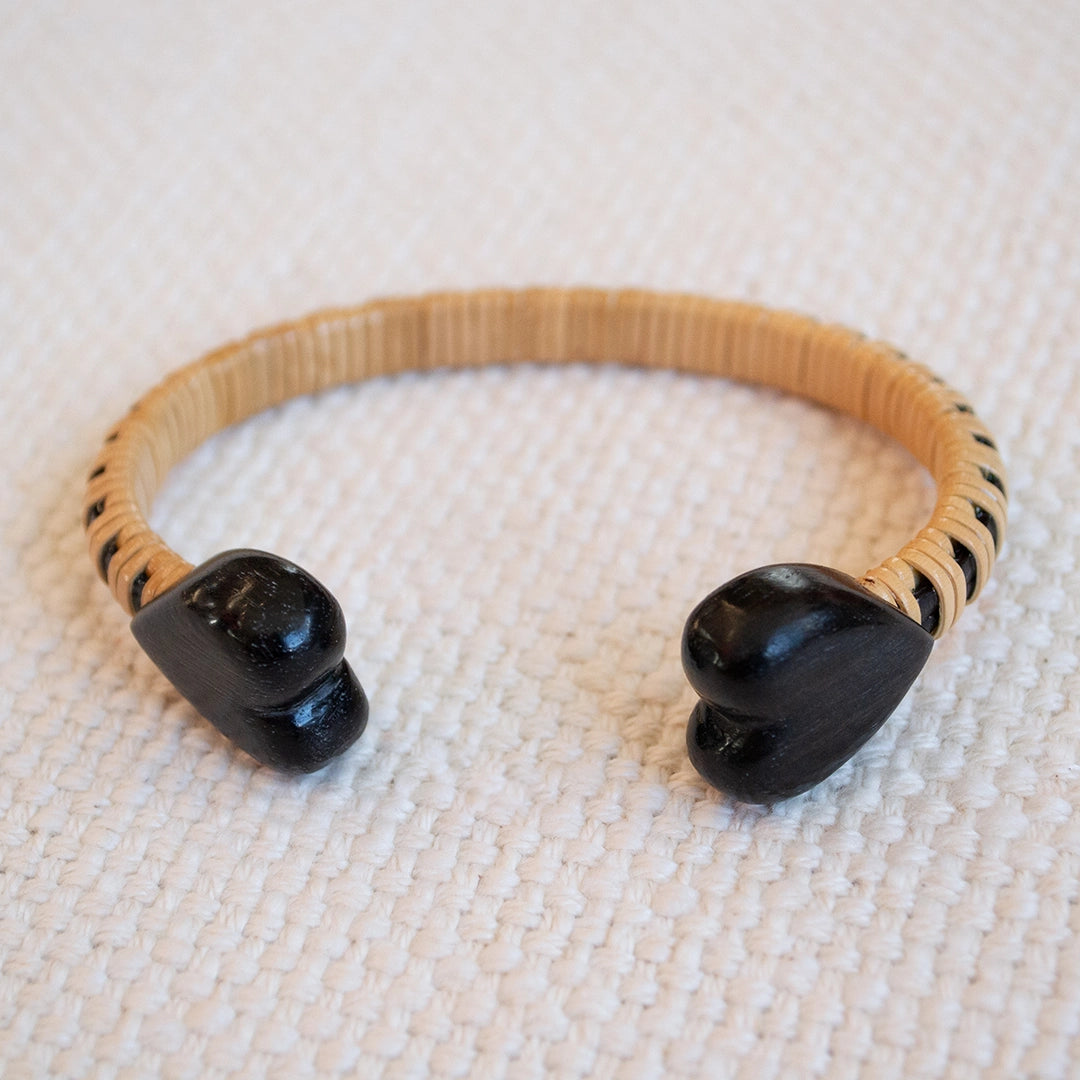
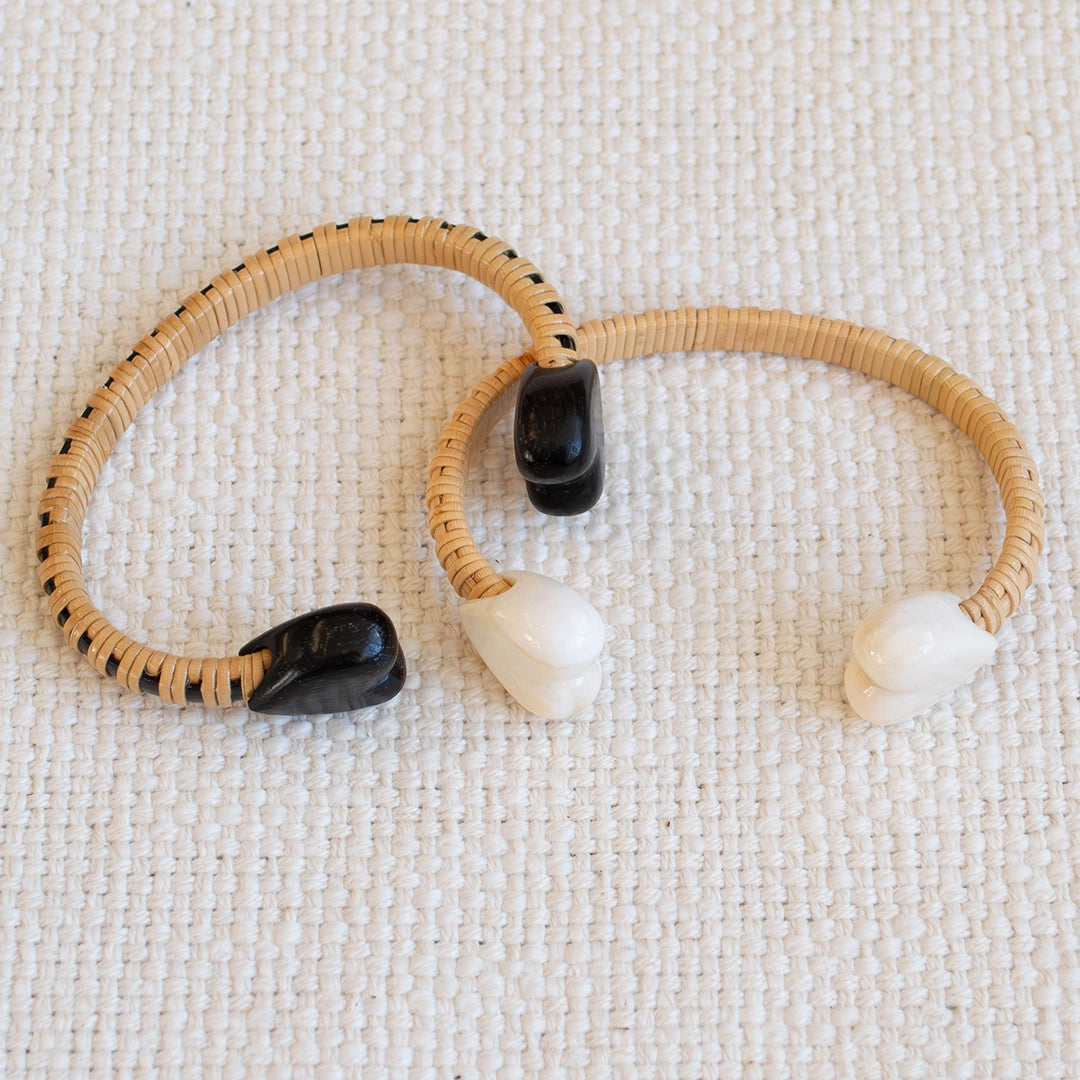
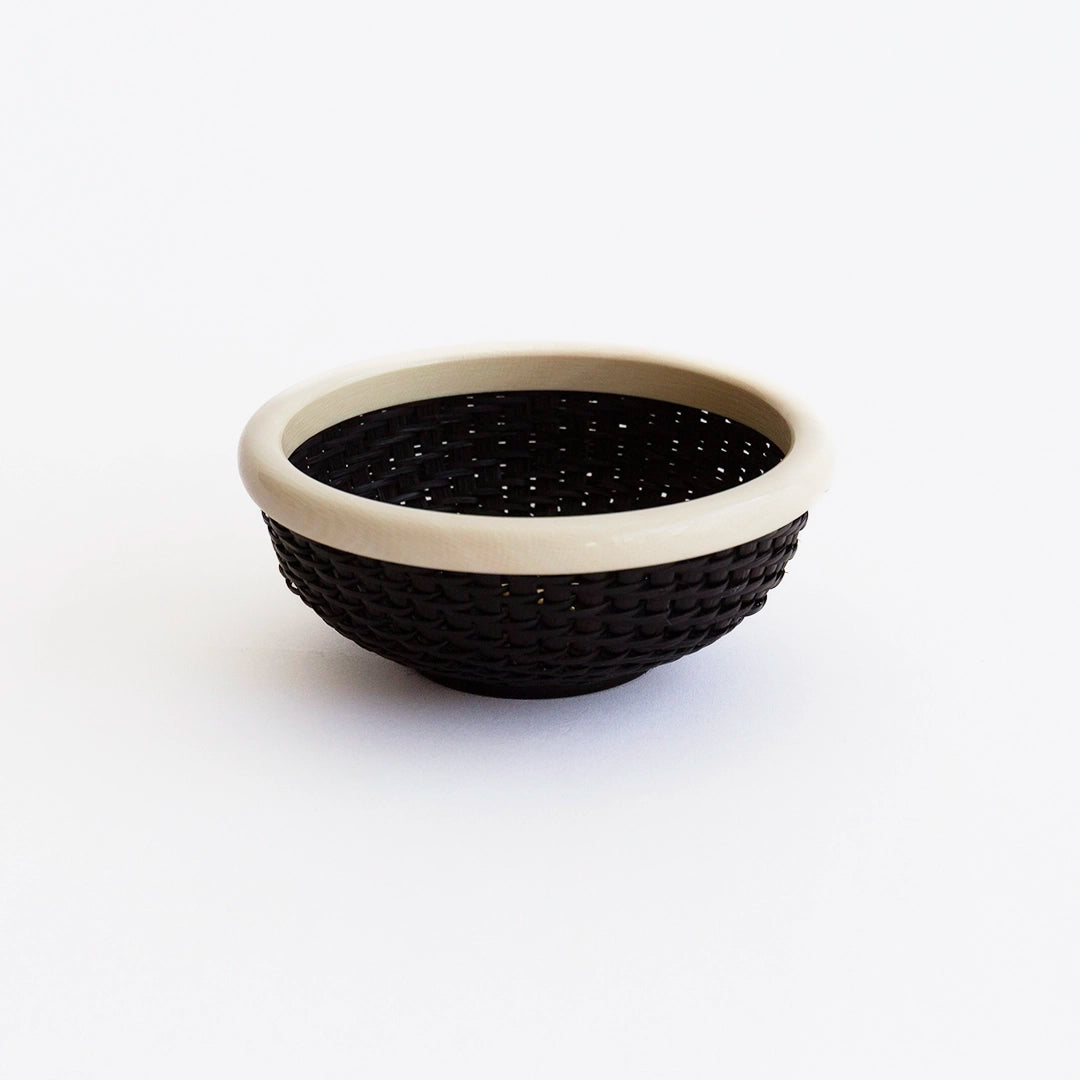
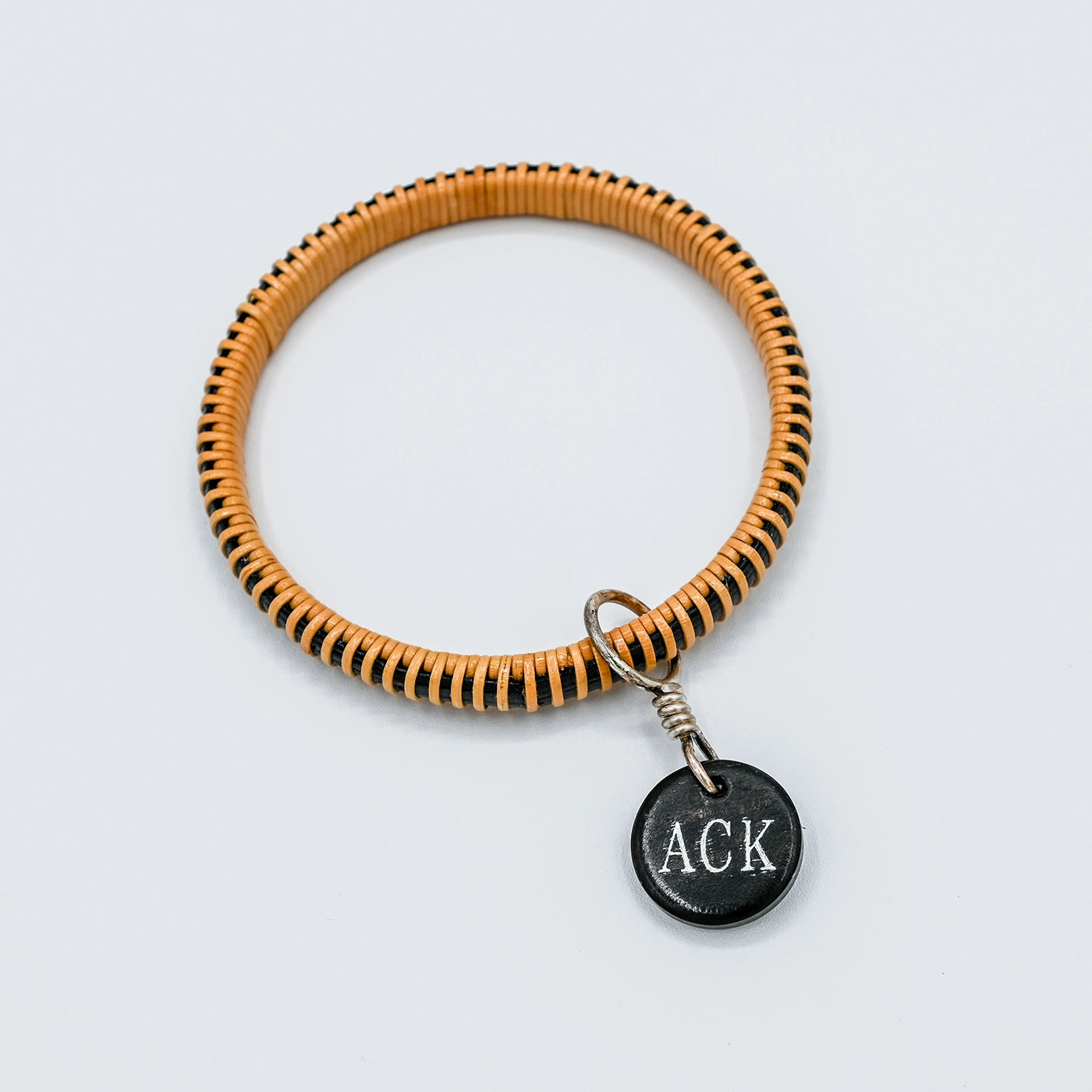
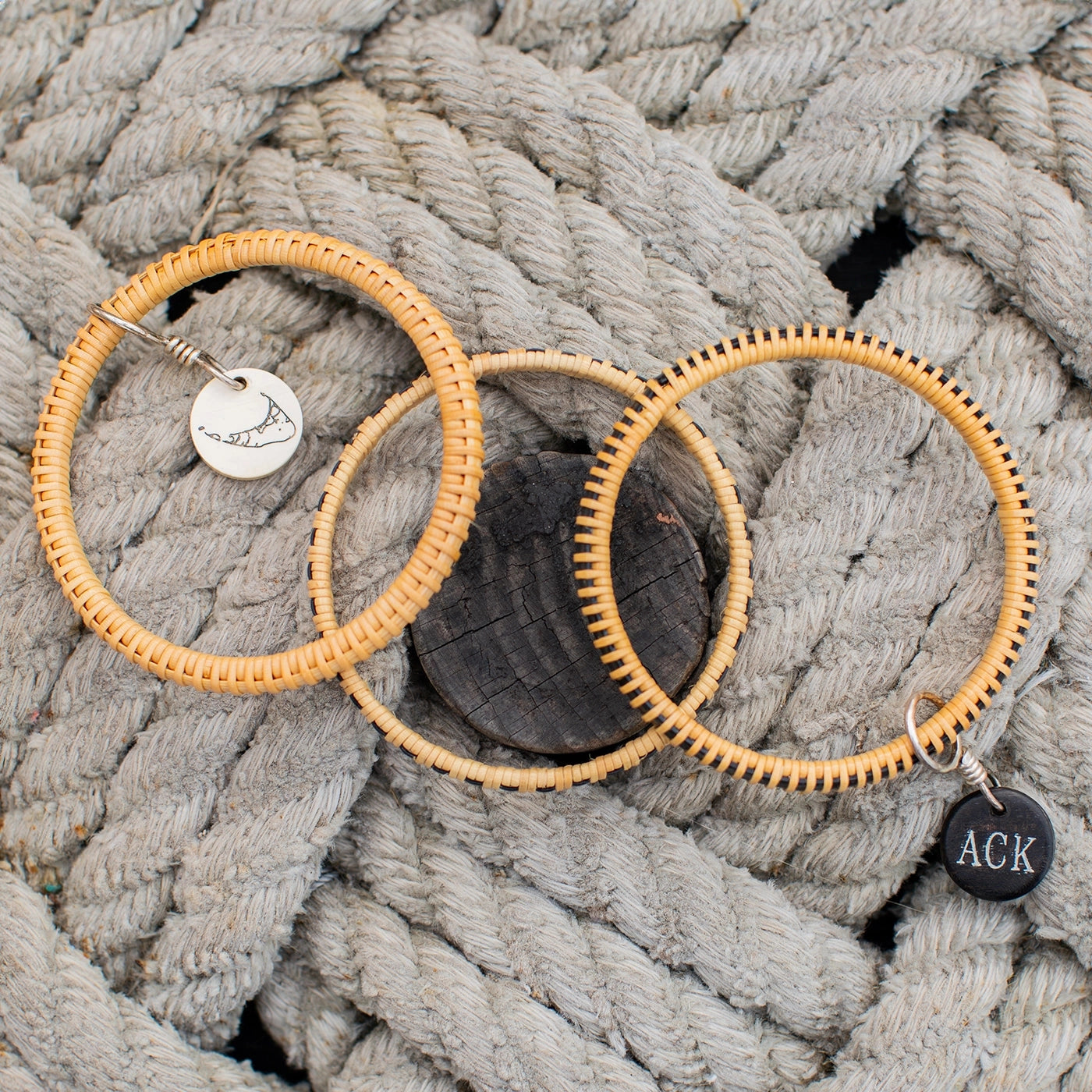
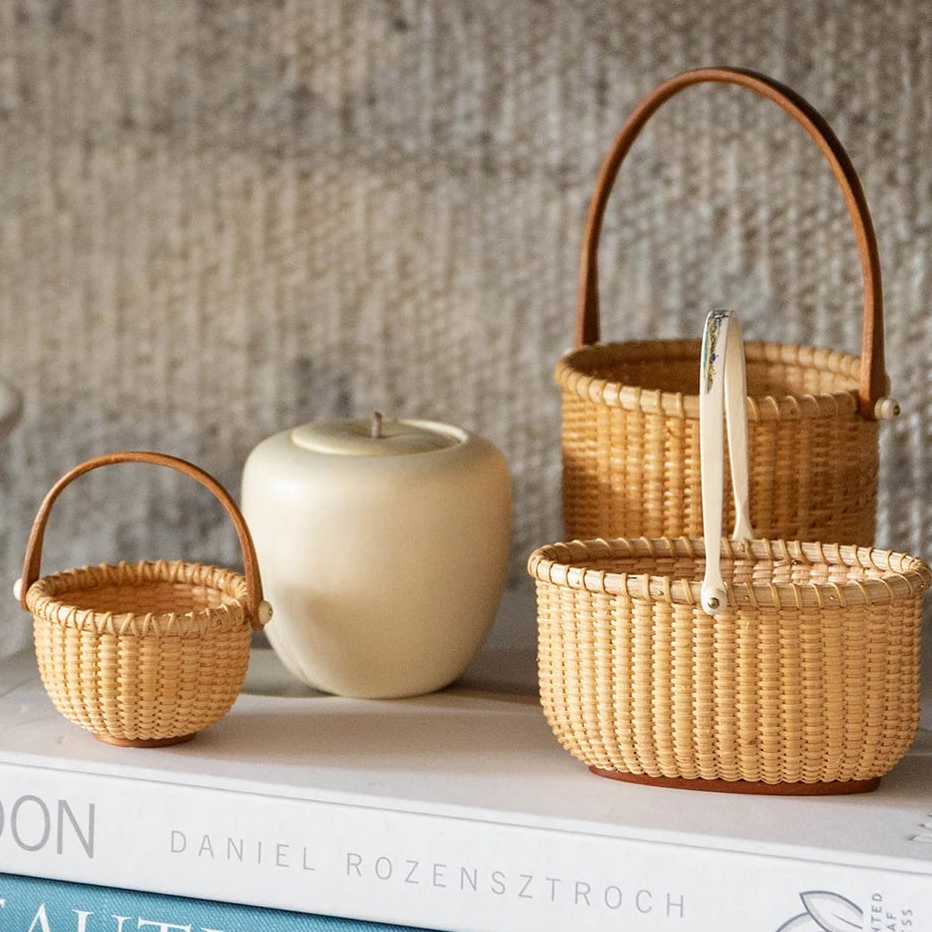
constructed of reed, cane, and mammoth ivory.
Lightships were crewed, at first, by old whalers, men who'd been around the world three or four times over for years on end. Now in their dotage, this post on the lightship was closer to home, but in some ways, lonelier. All work revolved around keeping the whale oil lanterns that hung from two masts lit through the night. The travel writer Gustav Kobbe wrote in 1891 that life aboard the South Shoal Lightship was "at its best a life of desolation, with only a few gulls or Mother Carey's chickens for visitors."

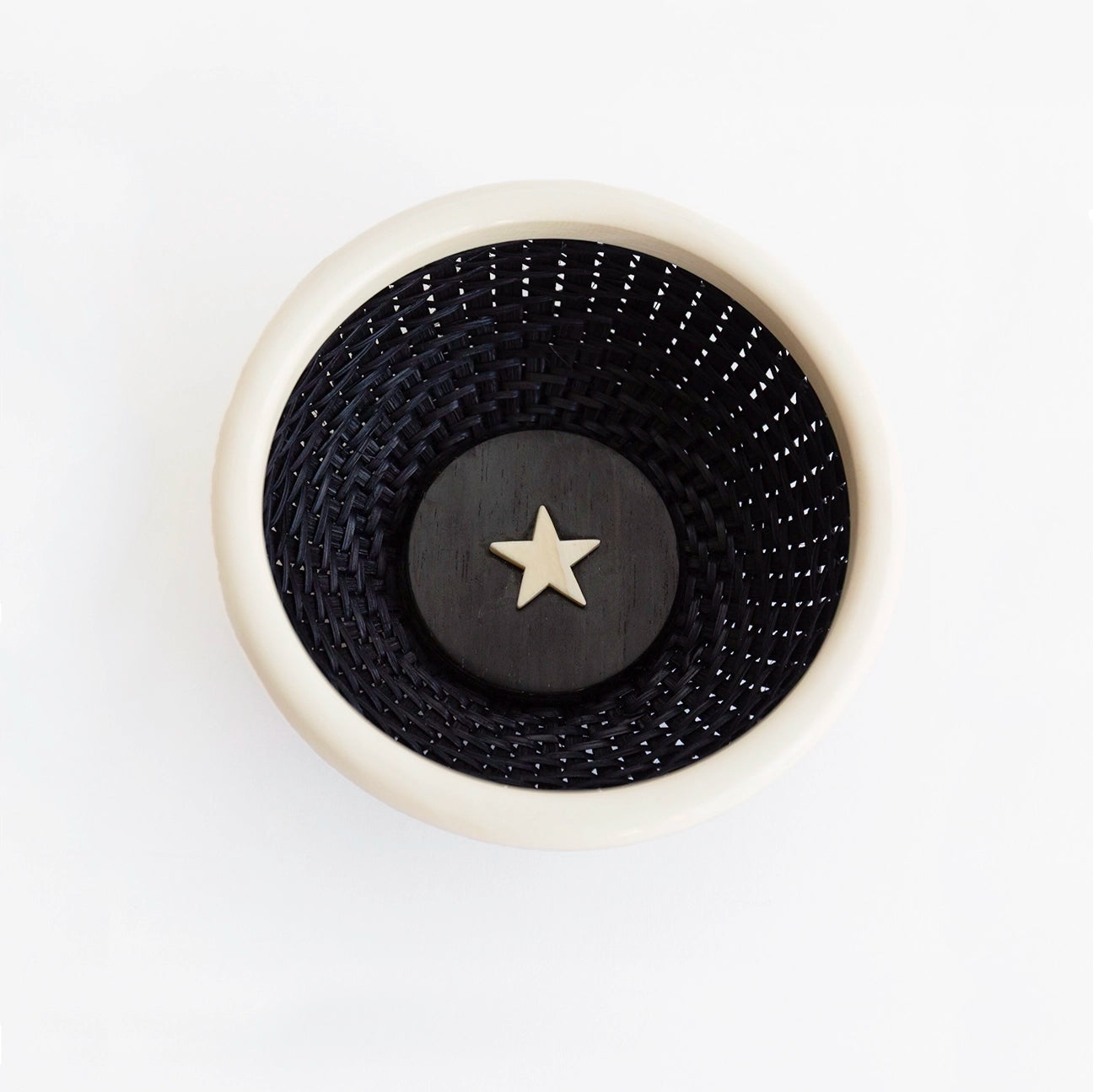
These lightships had no propulsion, and were at the mercy of the wind and waves. Crewmen, almost all of them Nantucketers until 1915, began to weave rattan baskets with wooden bases made on wooden molds to pass the otherwise idle hours. Around the 1860 and 1870s, as Nantucket was rediscovered by city dwellers in search of a respite from the growing industrialization of modern life, lightship baskets were sold on land to visitors looking for a durable, practical souvenir that reminded them of life at sea.

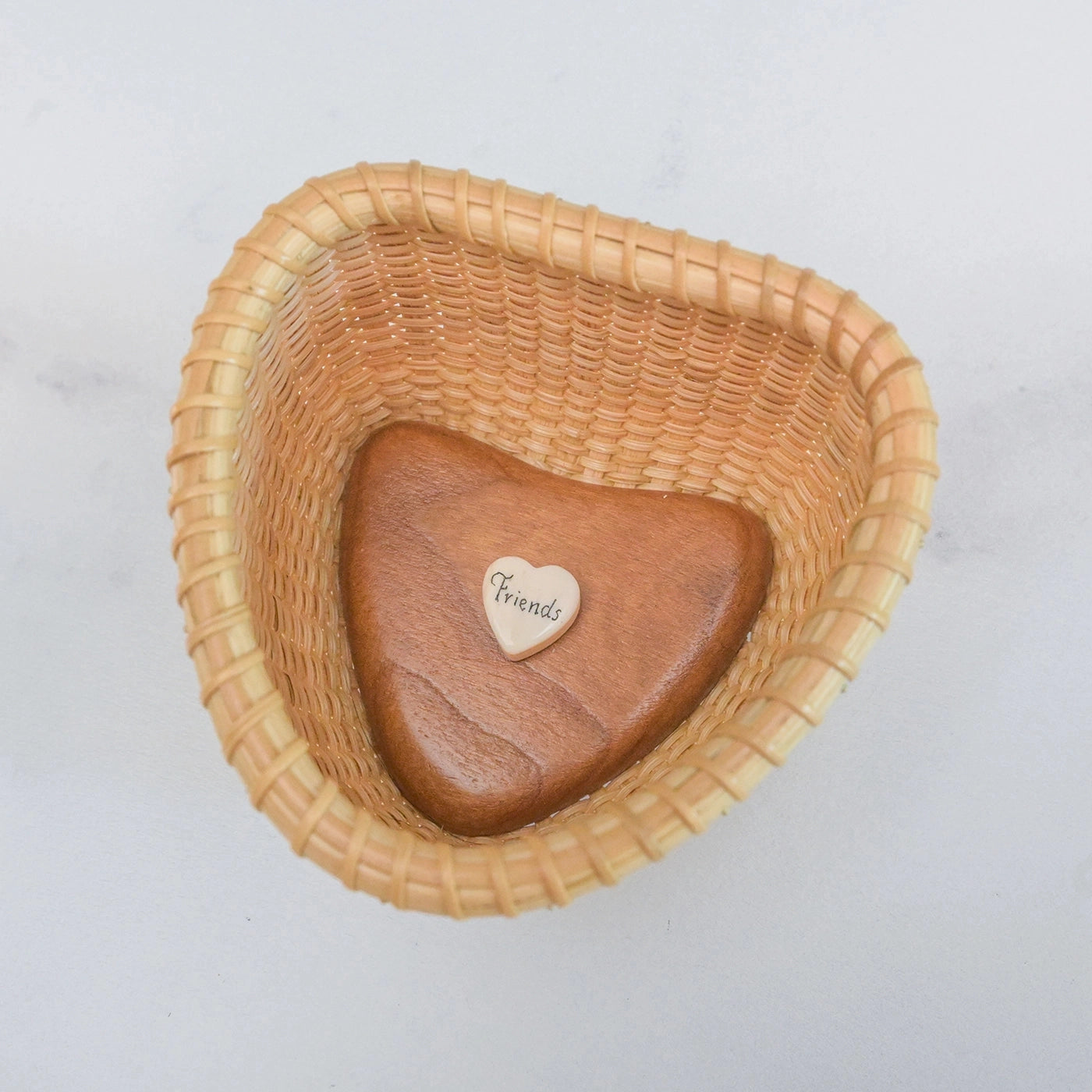
Shipboard basket weaving was outlawed by 1916 — the government didn't like these seamen moonlighting as basket makers. But the craft continued, and in the 1950s, was revolutionized by José Formoso Reyes, an immigrant originally from the Philippines with a Harvard education who could not find work on the island. He learned basket making, inverted a shallow basket lid, creating a lidded purse — which he called the "Friendship basket." This purse has become a staple of collectors, a must have for cocktail parties. Generations of island women fondly recall the gift of a friendship basket they received upon graduation from Nantucket High School, marking their entrance into adulthood.

Today, islanders make baskets in the off-season as a way to pass the long winter. And on the days when the wind is high and the boats don't run, the past doesn't seem all that far away.

Dale Rutherford, who has sold baskets at the Looms for twenty years, remembers when she first learned to make lightship baskets.

"I was working at the Hy-Line at night, and we'd sit there for hours. In the winter, there were half a dozen people in the office. One man was learning to play the ukulele, the other reciting Shakespeare plays. I could weave while doing ticketing," she said.
Dale took lessons from Tim Parsons, a well-known basket maker on the island.
"It was when I started teaching kids that I really learned how to make a basket," she said. "When the kids had a problem, I had to figure out how to solve it."
Selling her work at the Looms is particularly meaningful to Dale. In twenty years, she has only sold at two other places.
"Everyone wanted to sell at the Looms, and everybody wanted to work with Liz Winship," she said.

made and gifted by the late Doc Magee
Judy Prohaska and Janet Carreau join Dale Rutherford as three basket makers who are proud to show their unique work at the Looms and continue the long tradition of weaving Nantucket lightship baskets, long after the South Shoal Lightship disappeared from the horizon.